
CHILDHOOD TRAUMA THERAPIST IN CAMPBELL, CA
Is your childhood still impacting you today?
I won’t tell you you’re being “too much.”
I won’t say your experience doesn’t “count” (it does).
I will give you language for your childhood trauma, help you connect the dots to today, and ultimately reprocess the experience so life feels more manageable.
Available in-person in Campbell, CA and virtually throughout CA & PA.

“I had a house, food, and parents who never hit me. So why do I feel like this?”
You might:
-
Believe that if you can just do everything right and make everyone happy, nothing bad will happen
-
Push people away when they get too close, out of fear of what they’ll see inside you, or out of overwhelm
-
Feel drained in social situations, because you feel like you’re wearing a mask and scanning for what people think
-
Feel a persistent sense that you’re too much or that you don’t matter — either way, feeling like a burden

I specialize in childhood experiences that are hard to name or point to.
Emotional neglect or invalidation. A parent with narcissistic traits or manipulative behaviors. Insecure attachments to family.
These experiences are tough to spot and articulate, because maybe you don’t have the language for it.
Yet, your mind and body still carry the memory of never quite being psychologically safe in your home.
I utilize EMDR (Eye Movement Desensitization and Reprocessing) to help you access the deep-rooted memories and core beliefs where they’re stuck in your body.

How childhood trauma therapy for adults works
-

Understand your patterns
We start by identifying the recurring feelings and behaviors causing you distress today, and gently trace where they began.
-

Name what happened
We put language to experiences that may have been minimized, normalized, or never talked about, without you having to convince anyone it was “bad enough.”
-

Reprocess with EMDR
When you’re ready, we revisit memories while allowing your brain to process them differently this time, so the memories feel more neutral and less “alive” in your day-to-day life.

Become the cycle-breaker in your family
Outcomes of childhood trauma therapy
-
✔ Clear language for what your childhood “was,” without blaming yourself
-
✔ No longer betraying what you actually want to please your family or other people
-
✔ The weight of feeling “too much” or like you don’t matter, lifted
-
✔ Able to set boundaries and make changes without spiraling into doubt or guilt

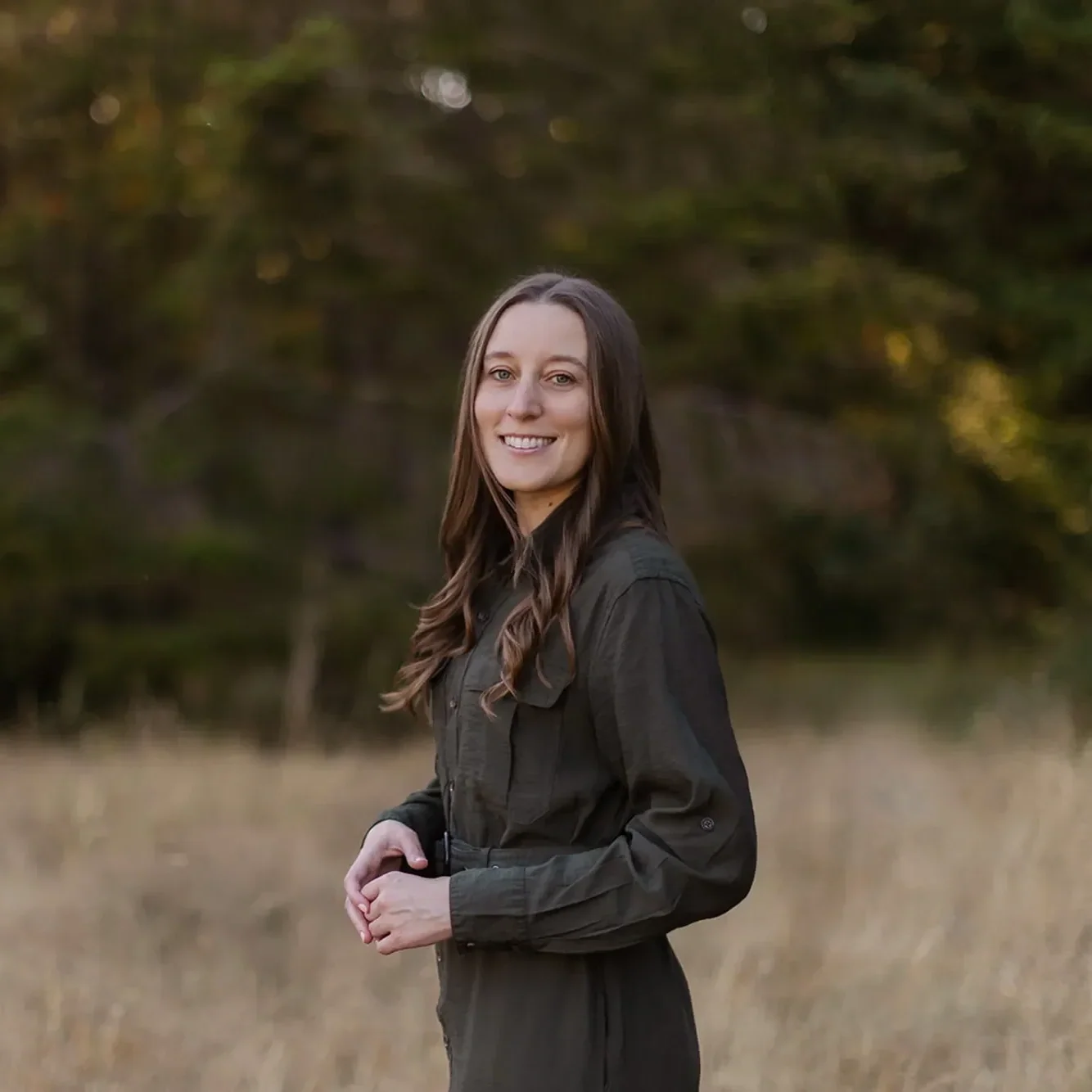
I’m Michele Root, LCSW, therapist for childhood and complex trauma
You might not think of your childhood as “traumatic,” but trauma can encompass more than physical violence.
Here’s what makes my approach the right fit for these experiences:
I'm not afraid to call it what it is. If it was emotional neglect, we’ll call it out. This kind of clarity is often what finally makes things make sense.
I work with a lot of people who look completely fine on the outside. You don't have to be falling apart for this to be real, and you don't have to explain why you're "still" dealing with something from so long ago.
I have advanced training in EMDR for complex trauma (trauma that adds up over time). We don’t “just talk.” We reprocess where the trauma is stuck in your body.
Want to know more about my experience and approach?
You can’t change your past, but you can change how you feel today.
You can be the parent to yourself that you needed back then.
You can get out from under beliefs like “I don’t matter” or “I’m too much.”
You can make positive changes you’ve always wanted to make.
Ask a complex PTSD therapist
-
Complex trauma (which can turn into CPTSD for some people) refers to adverse experiences that accumulate over time (such as emotional neglect in childhood), rather than one single traumatic incident (such as a car crash or assault).
Additionally, complex trauma can include an absence of care that should have been given in childhood but wasn’t, like not having emotional support, attention, or presence from caregivers.
-
Yes, EMDR can work for complex trauma. Part of why it works is because we first break down the layers of your experiences into themes or clusters of target memories and core beliefs (like “I’m too much”) that have the most impact on how you feel, think, and behave today.
-
Some of my complex trauma counseling clients do not have stereotypically “bad” childhoods (lack of resources, violence). I specialize in working with people who may have had good resources growing up — food, shelter, basic needs met — but are struggling mentally and emotionally today.
-
Each person’s history and healing journey is unique and different. There is not a one size fits all approach. You decide the best path forward for you and your healing journey. We will figure out together ways to navigate your current family environment in a way that feels right for you.