

EMDR TRAUMA THERAPY IN CAMPBELL, CA
EMDR Trauma Therapy
For when you…
Still feel like something from your past is “stuck” in your mind or body, even if you’ve done talk therapy
Have beliefs like “I’m not enough,” “I’m too much,” or “I don’t matter” that you can’t shake
Struggle with panic, anxiety, flashbacks, or other emotional reactions
Have experienced trauma (sexual assault, medical trauma, childhood trauma, victim of crime, and more)
Available in-person in Campbell, CA and virtually throughout CA & PA.

What is EMDR?
Our brains are naturally wired to heal. Typically, difficult events are processed and stored in a way that allows us to make sense of them and move forward.
However, when something is too much for the nervous system to handle, that processing can get interrupted. The memory may become “stuck,” along with the emotions, physical sensations, and beliefs that were present at the time.

EMDR helps re-activate the brain’s natural ability to process and resolve “stuck” memories.
Through bilateral stimulation (such as eye movements or tapping), EMDR helps integrate those experiences in a more complete and adaptive way, so the emotional charge around the memory softens, and becomes part of your past, not something that controls you now in the present.
What is EMDR like?
EMDR stands for Eye Movement Desensitization and Reprocessing.
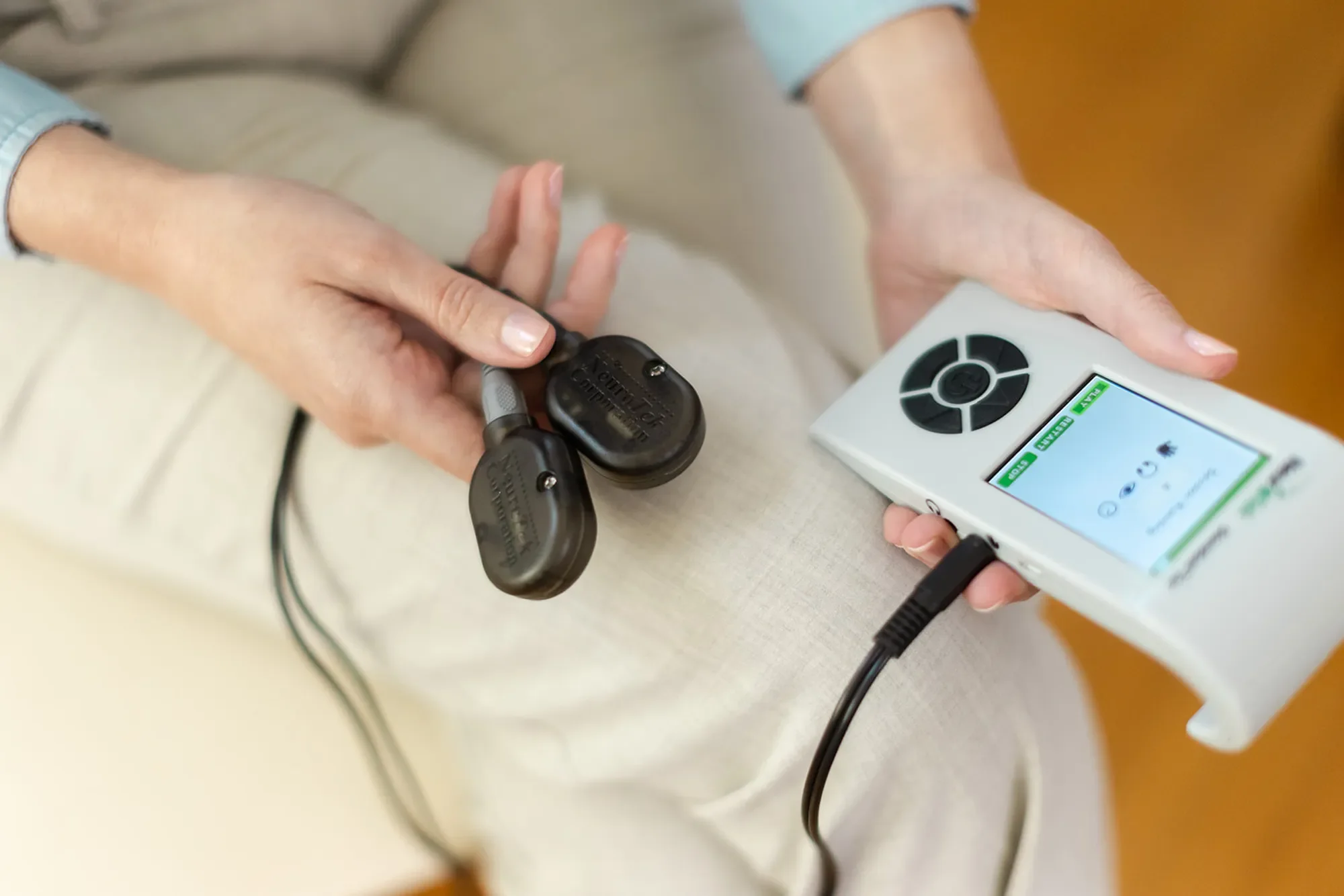
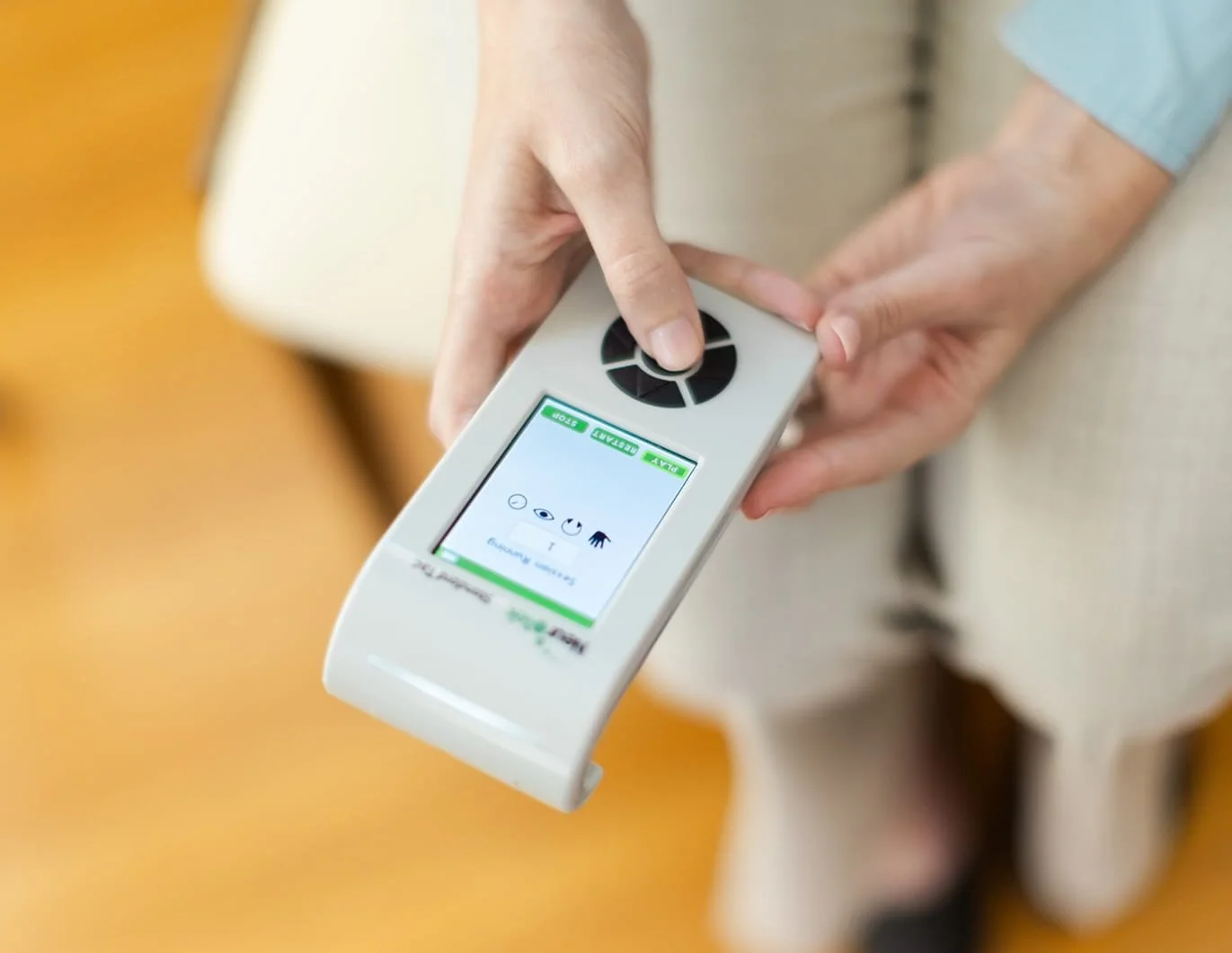
It involves helping your brain to reprocess painful experiences while simultaneously following an object or light with your eyes, keeping a tapping pattern with your hands, or hand held pulses or listening to bilateral tones.

-
1. Get grounded together
You and I get to know each other and we build some coping tools that work for you.
We don’t jump into trauma work right away. First, we make sure you feel safe, grounded, and supported.
-
2. Identify the target memories or themes
These are memories or experiences that still carry emotional weight.
We decide which memory to work on together when you feel ready.
-
3. Reprocess with bilateral stimulation
While focusing briefly on the memory (you don’t have to relive every detail!), I’ll guide you through bilateral stimulation, usually with back-and-forth eye movements or tapping.
I will ask you to simply notice what comes up, without needing to control or judge whatever you are noticing. We pause regularly to check in.
-
4. Grounding before we end each session
Whether or not we finish processing a memory in one session, I’ll help you leave feeling calm and safe.
EMDR follows an eight-phase model, that I will guide you through. You can read more about it here.

What’s possible with EMDR?
The goal of EMDR therapy is to change how your painful memories affect you. After EMDR, people often say they feel lighter, more present, and more in control of their emotions.
-
✔ Less anxiety, panic, and other symptoms
-
✔ Feeling calmer around your past
-
✔ Less effort to maintain your mental health
-
✔ Integrated positive beliefs about yourself

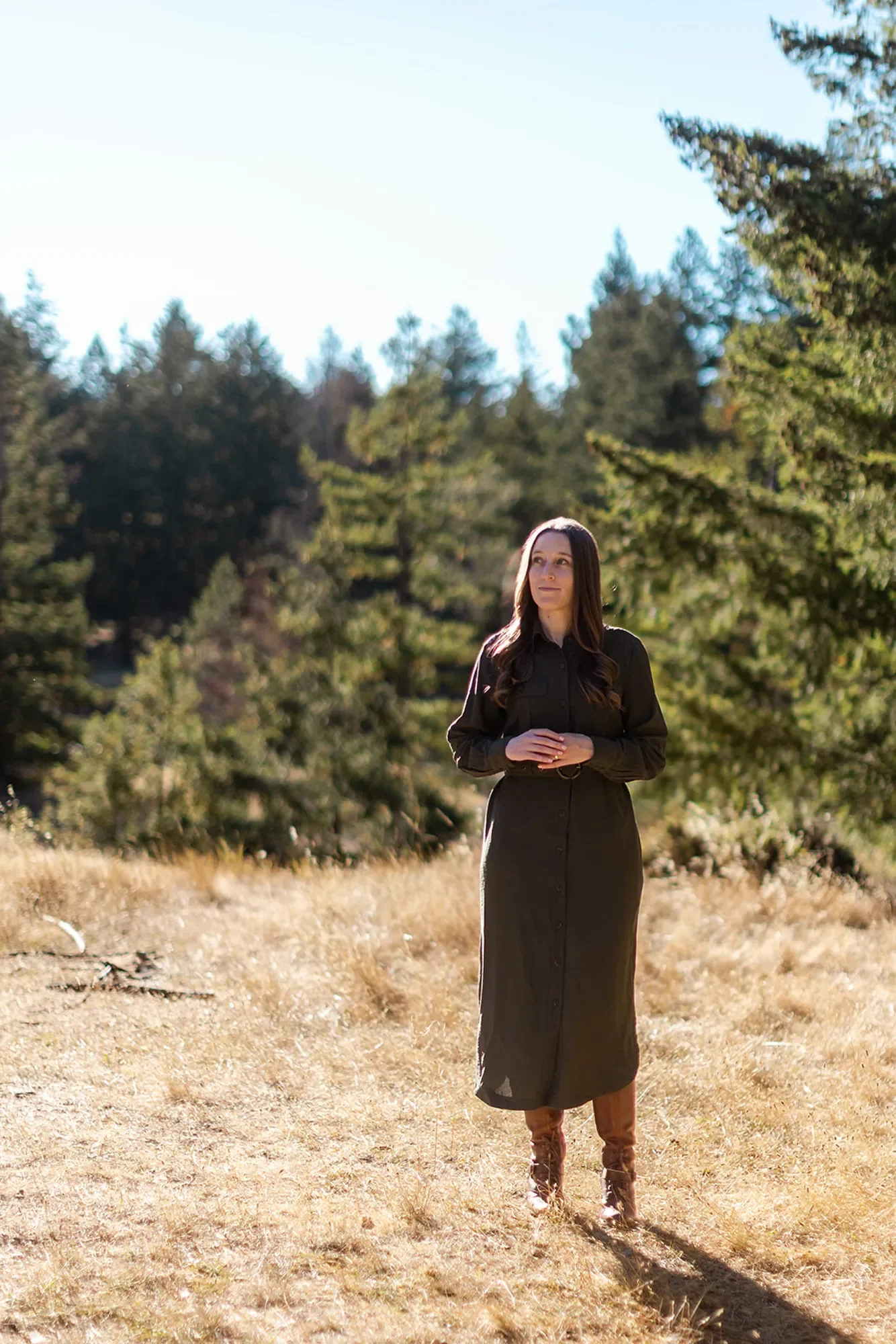
I’m Michele Root, LCSW, EMDR trauma therapist
I specialize in EMDR and somatic therapy for trauma recovery:
I’m an EMDRIA Certified EMDR Therapist. This certification requires ongoing advanced education to maintain.
I have advanced EMDR training specifically focused on applying EMDR to complex trauma.
I have extensive experience working with sexual assault and abuse, childhood trauma, intimate partner violence, and first-responders.
Want to know more about my experience and approach?
Move faster with intensives
In addition to regular 50-minute sessions, I offer longer EMDR sessions to process at a more intensive pace. Many clients find these intensives help them feel better, faster.
-
Extended EMDR sessions
75 minute EMDR sessions that allow us to go through more than a typical session.
-

EMDR Intensive therapy
3 hours of dedicated face-to-face time in my office or virtually from your home.
Could EMDR be right for you?
EMDR isn’t a one-size-fits-all approach.
If you’re wondering whether EMDR could help you personally, let’s talk.
I offer EMDR therapy in-person in Campbell, CA, and online in California and Pennsylvania.
Ask an EMDR therapist
-
This is a common misconception. While I do work with people who have single-incident trauma (such as a car crash), I also work with many people who have complex trauma (cumulative experiences that build up over time) or more ambiguous experiences that don’t seem like stereotypical trauma.
-
Yes, EMDR is an evidence-based treatment that has a high success rate. I chose to specialize in EMDR because of how well it works to help the brain reprocess trauma so maintaining your mental health feels less arduous.
-
Yes, EMDR for PTSD has shown strong outcomes. I work with people who have PTSD diagnoses and those who don’t, or those who present with trauma that’s less clear-cut.
-
During an EMDR session, I am partnering with you, and you are always in control the whole time. I encourage clients to come as they are. It can be helpful to have practice with breathing exercises and grounding techniques, but if not, we will explore it together.
-
Yes, I do. I have extensive experience and training related to working with sexual trauma and abuse, so that I’m able to help you process without being re-traumatized.
-
Rapport and trust with your EMDR counselor is incredibly important. I recommend reaching out to therapists you think you could trust and exploring fit in the initial consultation before committing to full EMDR treatment. You can book your consultation with me here.
-
Yes, if your therapist isn’t certified in EMDR and you’d like to add EMDR to your treatment, I’m happy to work together with them as an “adjunct” EMDR therapist for you.