

FIRST RESPONDER THERAPIST IN CAMPBELL, CA
Therapy for first responders carrying the calls they can’t forget
I won’t flinch when you tell me about that bad call.
I won’t tell you that it’s “just the job.”
I won’t push you to talk about things you can’t.
I will help you process the experiences that keep replaying in your head, so life stops feeling so heavy.
Available in-person in Campbell, CA and virtually throughout CA & PA.

How to know everything is not “fine”
Even when you’re expected to just shrug it off
-
Rage when you see people being careless while driving or biking. Don’t they know what could happen in an instant?!
-
Drinking more, or “numbing out,” because you just need a break from the images in your mind.
-
Snapping at your family, constantly being irritable, and having trouble relaxing even off the clock.
-
Can’t stop replaying the incidents in your head or waking up in a cold sweat after a nightmare or anxiety attack.

My approach isn’t just about “talking it through.” We treat the nervous system first.
Because:
You’ve been trained to compartmentalize bad calls so you can keep doing your job well.
You might not want to jump right into talking about the dark parts. Or you might not be allowed to talk about it, depending on your job.
You’re probably pretty good at detaching and disassociating, so talking might not be the problem (feeling is).
For all these reasons, I don’t rely on talk therapy alone for first responders.
Instead, we treat the nervous system response first through trauma therapy and EMDR to help you process and release where the memories are stuck in the body.
How first responder therapy works

-

Quick wins
First, I help you with the practical things that make everyday life easier: sleep, coping strategies, and other grounding/relaxation techniques.
-

Identify the bad calls
Second, we explore which calls are keeping you up at night. Counterintuitively, it’s not always the worst ones. Cumulative “small” traumas add up over time.
-
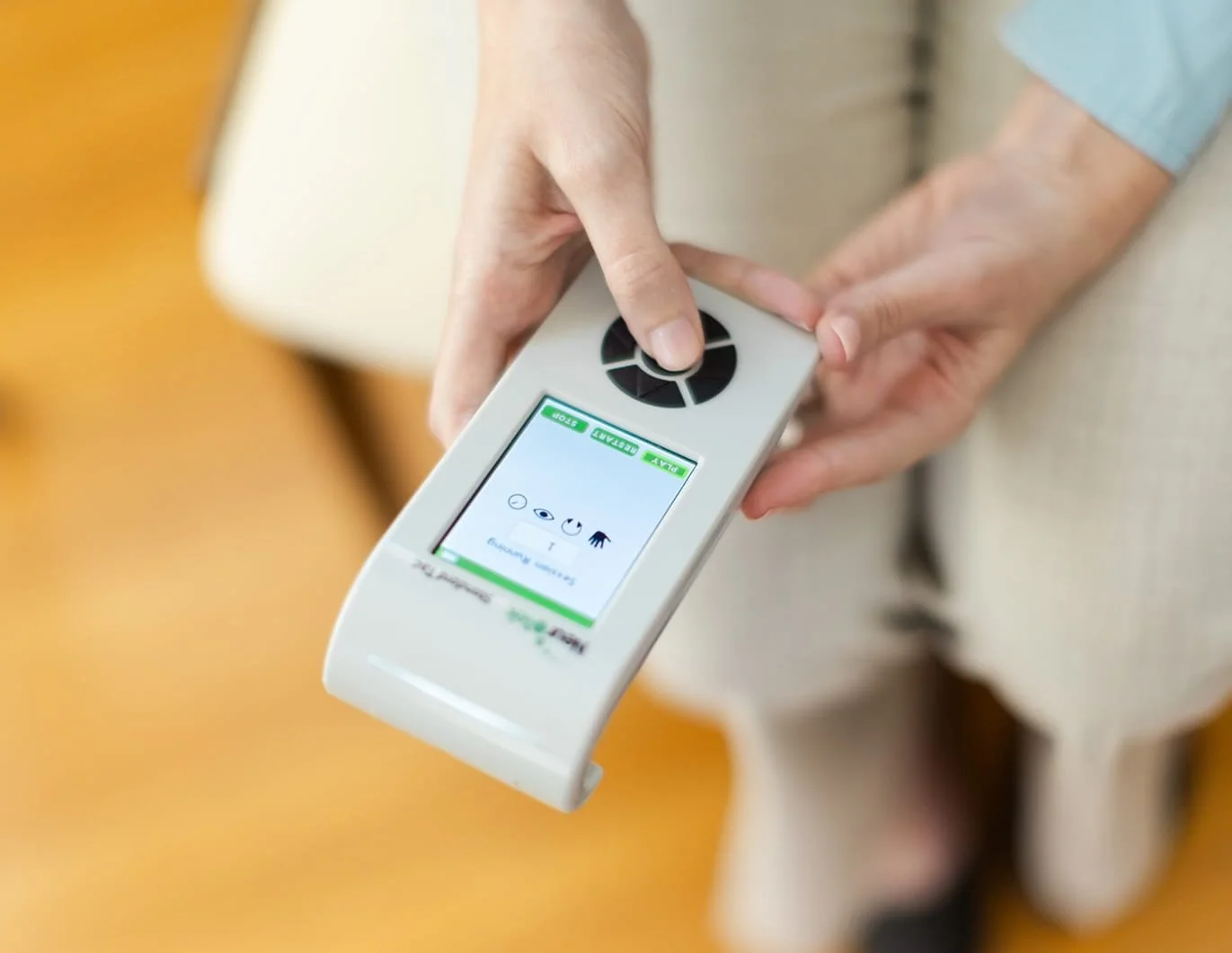
Reprocess with EMDR
When you’re ready, we revisit memories while allowing your brain to process them differently this time, so they feel more neutral and less “alive” in your day-to-day life.

Life after therapy can get easier
-
✔ Less reliance on alcohol or other numbing behaviors just to get through the week
-
✔ More presence with people – less carrying the job home with you
-
✔ Confidence you can keep doing what you’ve been called to do, less fear of burning out
-
✔ Able to talk about bad calls without feeling flooded with emotions OR totally detached

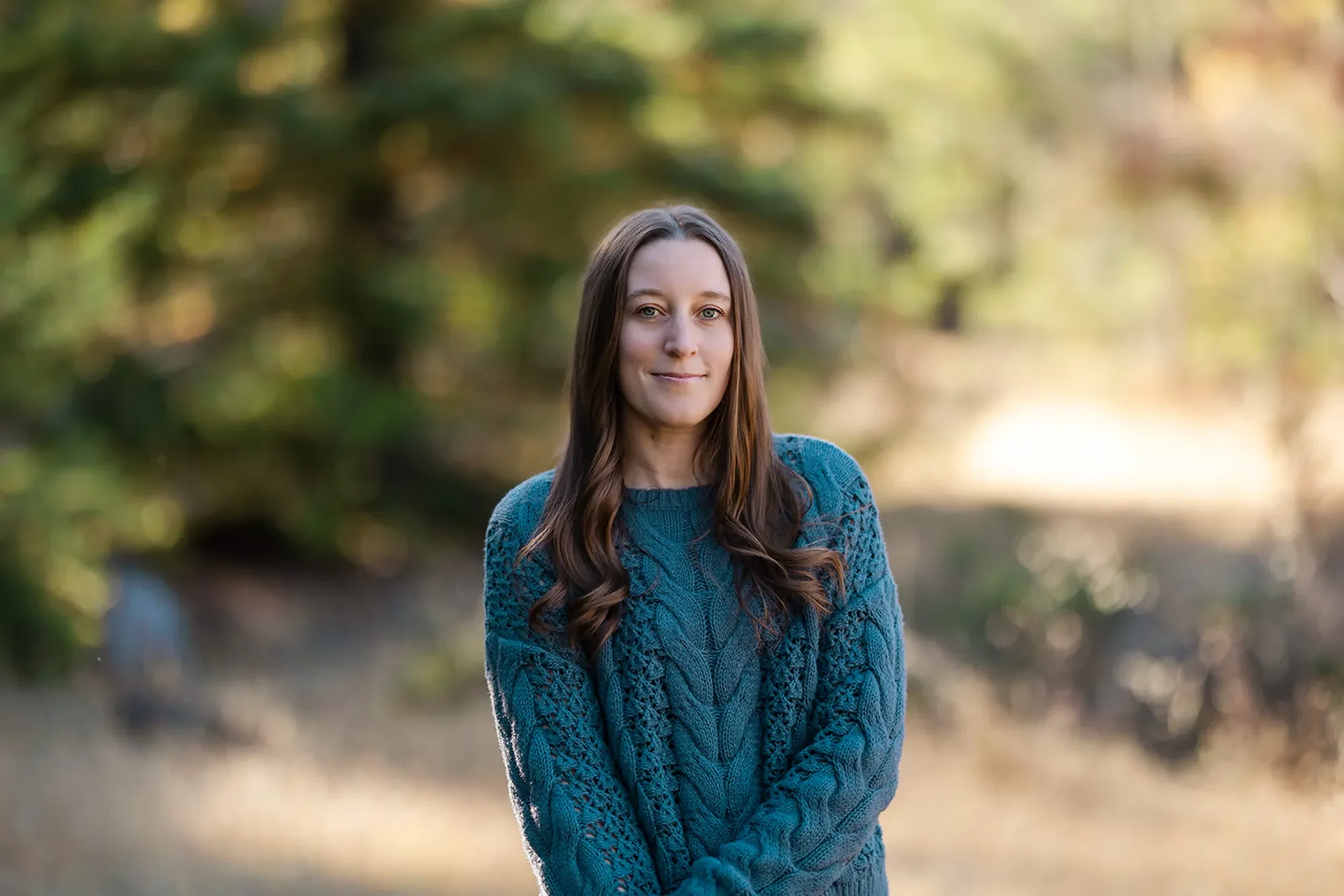
I’m Michele Root, LCSW, a therapist specializing in first responders
Here’s what makes our work together so effective:
I’ve been there. I spent years as a volunteer EMT and Firefighter. I experienced how witnessing severe injury, death, and violence builds up inside you, until you burn out or break down.
As a trauma therapist, I’m a steady presence as you share the worst of the worst. I won’t be rattled or shocked, so you can focus on you, not me.
I’m outside your department and social circles, so you can feel free to share. No one even has to know you’re in therapy if you don’t want them to.
I have advanced training in EMDR for trauma and complex trauma (trauma that adds up over time). We don’t “just talk.” We reprocess where the trauma is stuck in your body.
Want to know more about my experience and approach?
A hard reaction to a hard call…
Does not make you weak or “not cut out for this job.”
It’s just a normal nervous system response.
And confronting what you’re going through only makes you stronger and better at your job.
That’s what therapy for first responders is all about.
Ask a first responder therapist
-
I work with all types of first responders. My past clients have included EMTs and paramedics, law enforcement officers, firefighters, 911 dispatchers, search and rescue members, military personnel, and healthcare workers.
I also work with anyone with a front seat row to crisis or trauma, even if your role isn’t typically considered a first responder.
-
Even if you haven’t experienced what you would consider to be a traumatic call, those “not that bad” calls have a cumulative effect over time, creating similar symptoms as one really bad call.
-
Yes, therapists for first responders like me also work with healthcare workers such as ER doctors and other individuals working in emergency departments.
My healthcare clients are often struggling with work-related issues like witnessing trauma, experiencing compassion fatigue or moral injury, and not receiving the support they need in the workplace.
-
No. I’m completely unaffiliated with any department, and our work is confidential. No one will know you’re in therapy unless you tell them.
-
No, I don’t cry easily or become distressed, no matter what you share.
I’ve been a first responder myself, so I know how hard it is to open up when you’re worried about traumatizing someone else. You don’t have to worry about that with me — I’ve seen the full range of trauma, and I’m more than prepared to sit in the suck with you.